Srinagar District
About Srinagar
Srinagar, the summer capital of Jammu and Kashmir, is famously known as the "Paradise on Earth." Nestled in the heart of the Kashmir Valley, this enchanting city is renowned for its picturesque gardens, serene lakes, and houseboats that float on the tranquil waters of Dal Lake. The city's rich history dates back to ancient times, with influences from various dynasties including the Mughals, who left behind a legacy of magnificent gardens and architectural marvels.
The name Srinagar means "City of Wealth," reflecting its historical importance as a center of culture, commerce, and learning. Today, it serves as the cultural and commercial hub of Kashmir, attracting millions of tourists annually with its unique blend of natural beauty, rich heritage, and warm hospitality.
District at a Glance
| Altitude | 1,585 meters (5,200 feet) above sea level |
| Area | 2,228 sq km |
| Population | Approximately 1.4 million (2023 est.) |
| Language | Kashmiri, Urdu, Hindi, English |
| Temperature | Summer: 15°C - 30°C | Winter: -2°C - 12°C |
| Best Season to Visit | April to October (Summer), December to February (Winter for snow) |
| Clothing | Summer: Light woolens, cottons | Winter: Heavy woolens, jackets |
| Famous For | Dal Lake, Mughal Gardens, Houseboats, Shikara Rides, Pashmina Shawls, Kashmiri Handicrafts |
How to Reach Srinagar
By Air
Sheikh ul-Alam International Airport (Srinagar Airport) is well connected to major Indian cities including Delhi, Mumbai, Bangalore, and Kolkata. The airport is located about 15 km from the city center. Regular flights operated by Air India, IndiGo, SpiceJet, and Akasa Air connect Srinagar with the rest of India.
By Rail
The nearest railway station is Nowgam, Srinagar. Srinagar is now connected to Jammu (approximately 250 km away) through the Vande Bharat Express. From Jammu, one can also hire a taxi or take a bus to reach Srinagar. The Udhampur-Srinagar-Baramulla Rail Link project has significantly improved railway connectivity to Kashmir Valley.
By Road
Srinagar is well connected by road via National Highway 44 (formerly NH1A). Regular bus services operated by J&K SRTC and private operators connect Srinagar to Jammu (250 km), Leh (419 km), and other major towns. Traffic now moves through the Shyama Prasad Mukherjee Tunnel (Chenani-Nashri Tunnel) and Banihal-Qazigund Tunnel on this route, ensuring all-weather connectivity throughout the year.
Prominent Tourist Places in Srinagar
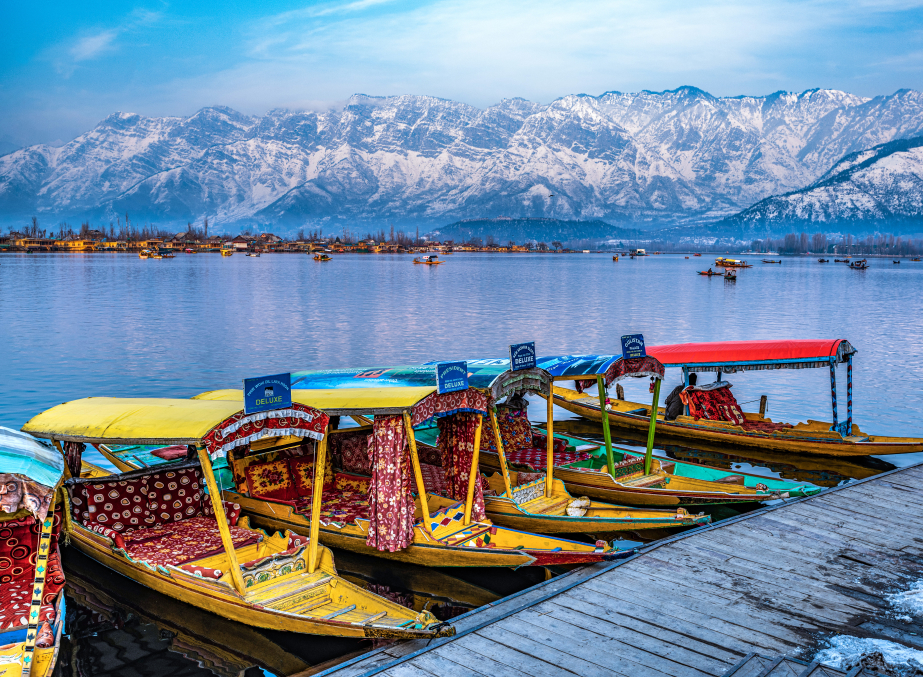
Dal Lake
Known as the "Jewel in the crown of Kashmir," Dal Lake is famous for its houseboats, shikaras, and floating gardens. The lake covers an area of 18 square kilometers and offers stunning views of the Zabarwan Range. Shikara rides during sunrise and sunset are a must-experience activity.
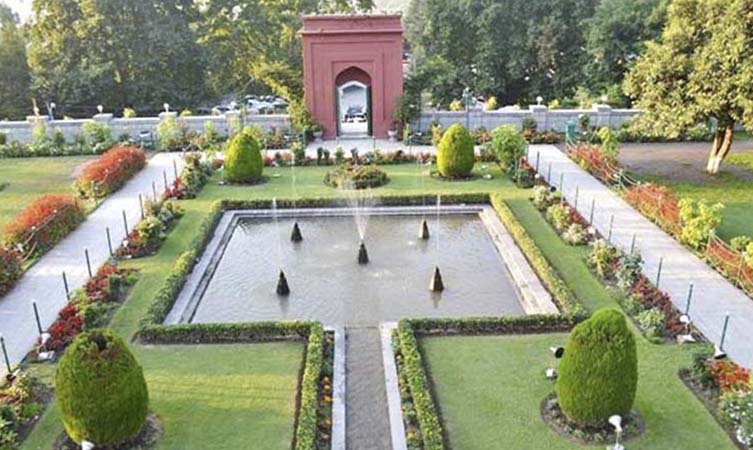
Mughal Gardens
Srinagar is home to three magnificent Mughal Gardens: Shalimar Bagh (built in 1619), Nishat Bagh (built in 1633), and Chashme Shahi (built in 1632). These gardens showcase the perfect blend of Persian and Mughal architecture with terraced lawns, cascading fountains, and vibrant flowerbeds.
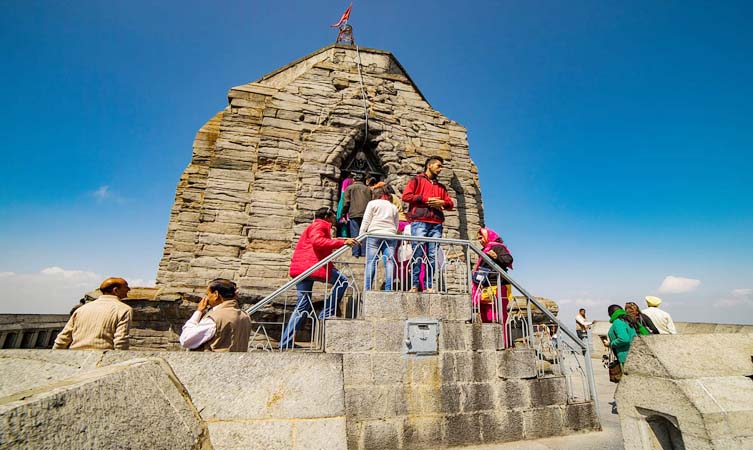
Shankaracharya Temple
Perched atop the Shankaracharya Hill at an altitude of 1,100 feet, this ancient temple is dedicated to Lord Shiva. The temple dates back to 200 BC and offers panoramic views of Srinagar city and Dal Lake. It is believed to have been visited by Adi Shankaracharya in the 8th century.
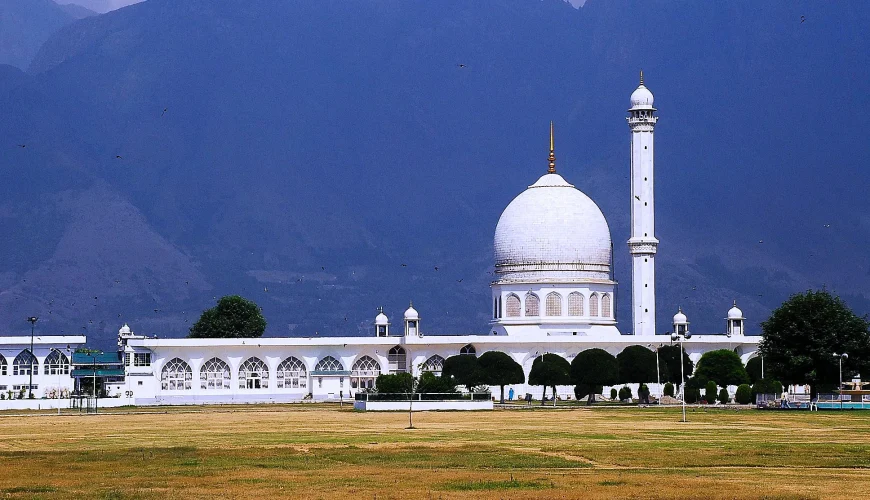
Hazratbal Shrine
Located on the northern shores of Dal Lake, Hazratbal Shrine is one of the most revered Muslim shrines in Kashmir. The shrine houses a relic believed to be a hair strand of Prophet Muhammad. Its white marble architecture stands in beautiful contrast against the backdrop of the Zabarwan Mountains.
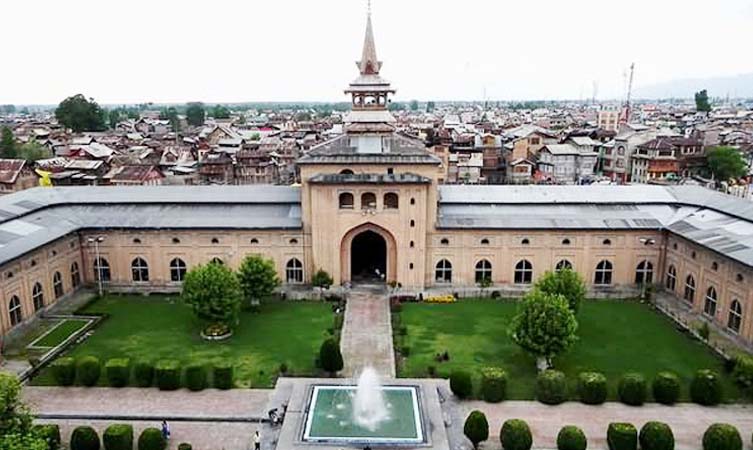
Jama Masjid Srinagar
Built in 1402 AD by Sultan Sikandar, Jama Masjid is a magnificent example of Indo-Saracenic architecture. The mosque features 370 wooden pillars made from deodar trees, each carved from a single tree trunk. The courtyard can accommodate over 33,000 worshippers, making it one of the largest mosques in India.
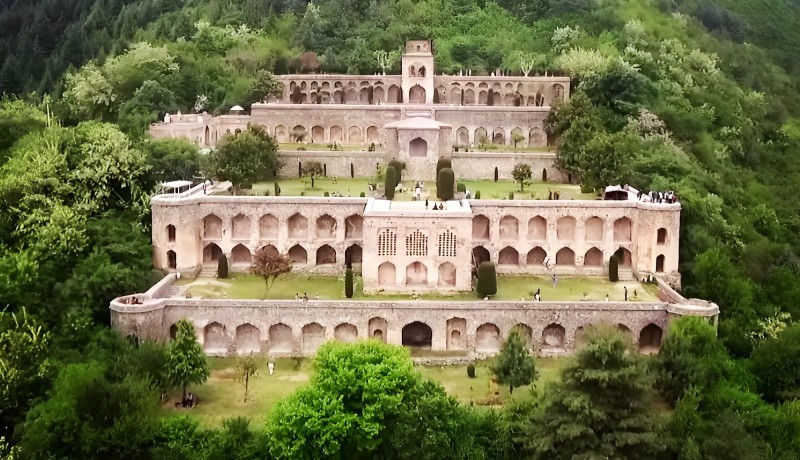
Pari Mahal
Known as the "Palace of Fairies," Pari Mahal is a seven-terraced garden located at the top of Zabarwan Range. Built in the mid-1600s by Dara Shikoh, son of Shah Jahan, it served as an observatory and a library. The ruins offer spectacular sunset views over Dal Lake and the city.
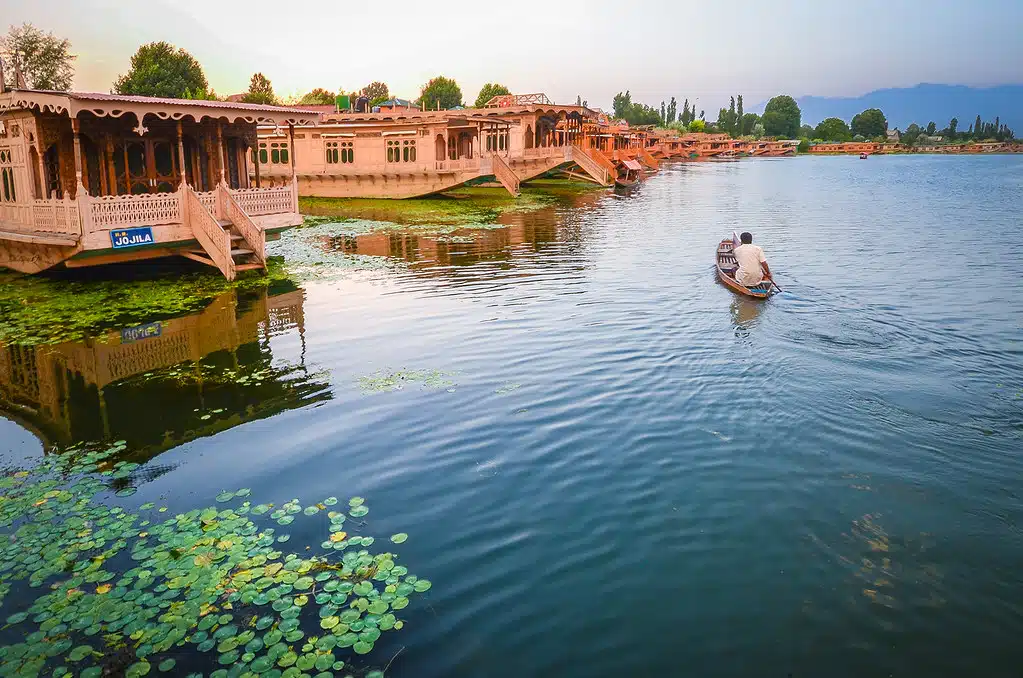
Nigeen Lake
Often considered a quieter alternative to Dal Lake, Nigeen Lake is surrounded by willow and poplar trees. This crescent-shaped lake is ideal for water sports including water skiing, canoeing, and sailing. Several luxury houseboats and hotels line its shores, offering tranquil accommodation options.
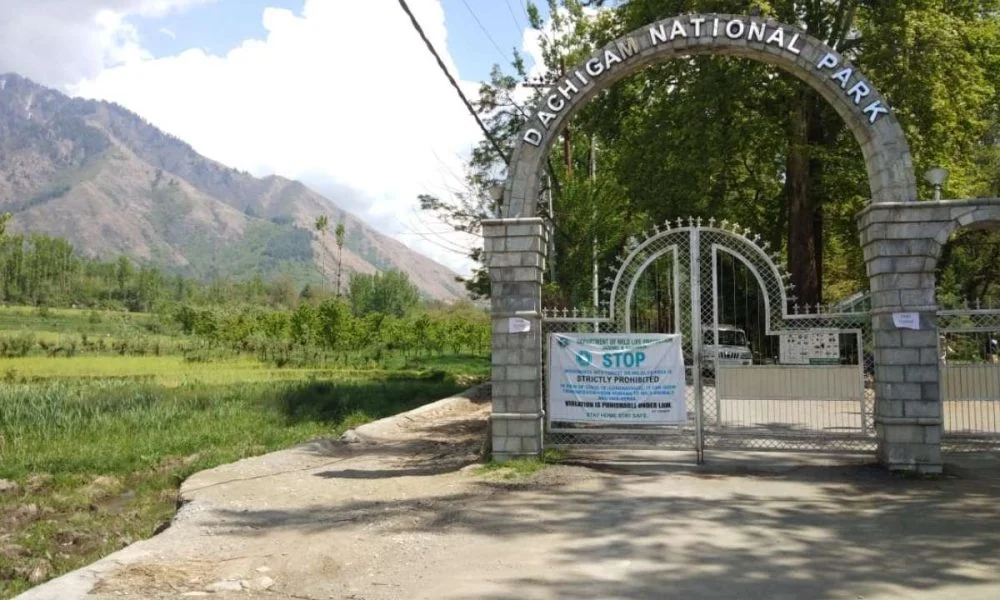
Dachigam National Park
Located just 22 km from Srinagar, Dachigam National Park is home to the endangered Hangul (Kashmir stag). Spread over 141 sq km, the park features diverse flora and fauna including Himalayan black bear, leopard, and over 150 bird species. The park's landscape ranges from steep forested slopes to grassy pastures.
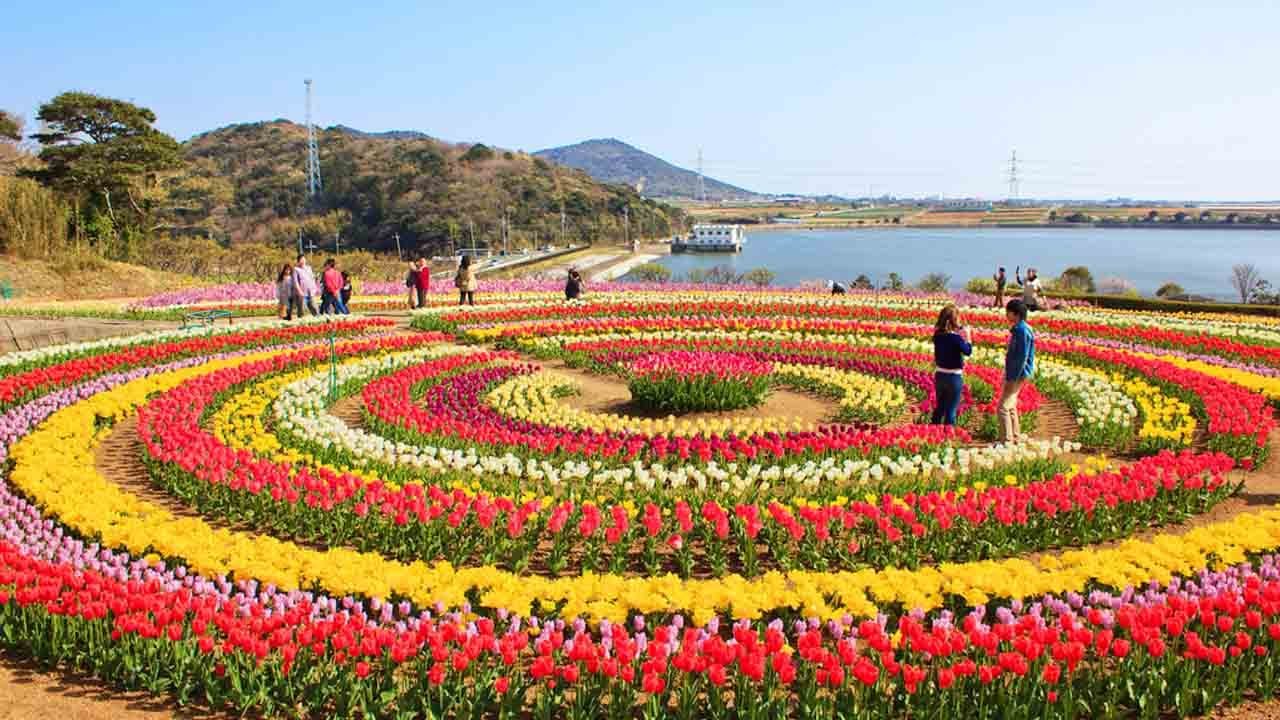
Indira Gandhi Memorial Tulip Garden
Asia's largest tulip garden, spread over 30 hectares at the foothills of Zabarwan Range. The garden features over 1.5 million tulips of 68 varieties. Open during spring (March-April), the garden showcases a spectacular display of colors with tulips, daffodils, hyacinths, and ranunculus blooming together.
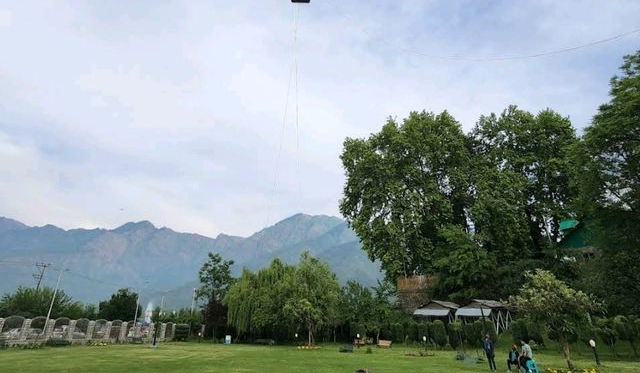
Zabarwan Park
Nestled at the foothills of the Zabarwan Range, this scenic urban park offers breathtaking views of Dal Lake and mountains. The park features well-maintained walkways, landscaped gardens, an open air theatre, and food courts serving local delicacies. Visitors can enjoy vistas of ancient Kashmir, making it a popular destination for families and photography enthusiasts.
Local Culture & Cuisine
Srinagar's culture is a rich tapestry woven with influences from Central Asia, Persia, and the Indian subcontinent. The city is famous for its Kashmiri cuisine, particularly the traditional Wazwan - a multi-course meal featuring 36 dishes including Rogan Josh, Yakhni, Tabak Maaz, and Gushtaba. The local tea, Kahwa (a traditional green tea infused with saffron, almonds, and cardamom), is an integral part of Kashmiri hospitality.
The city is renowned for its handicrafts including Pashmina shawls, papier-mâché items, walnut wood carvings, and Kashmiri carpets. The floating vegetable market on Dal Lake, operating early mornings, offers a unique glimpse into the traditional lifestyle of Kashmiri people.